
LABORATORY ANALYSIS OF SOILS
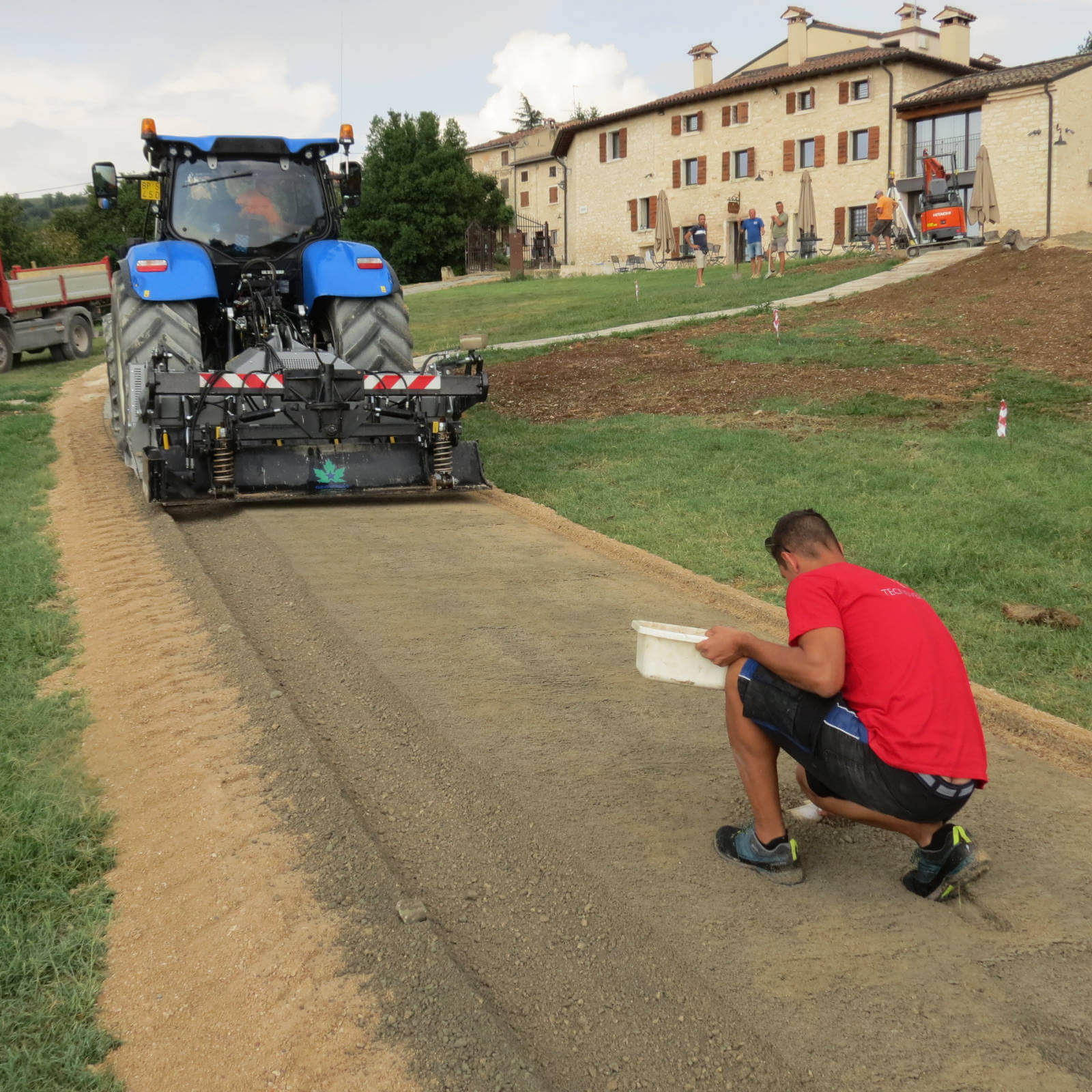
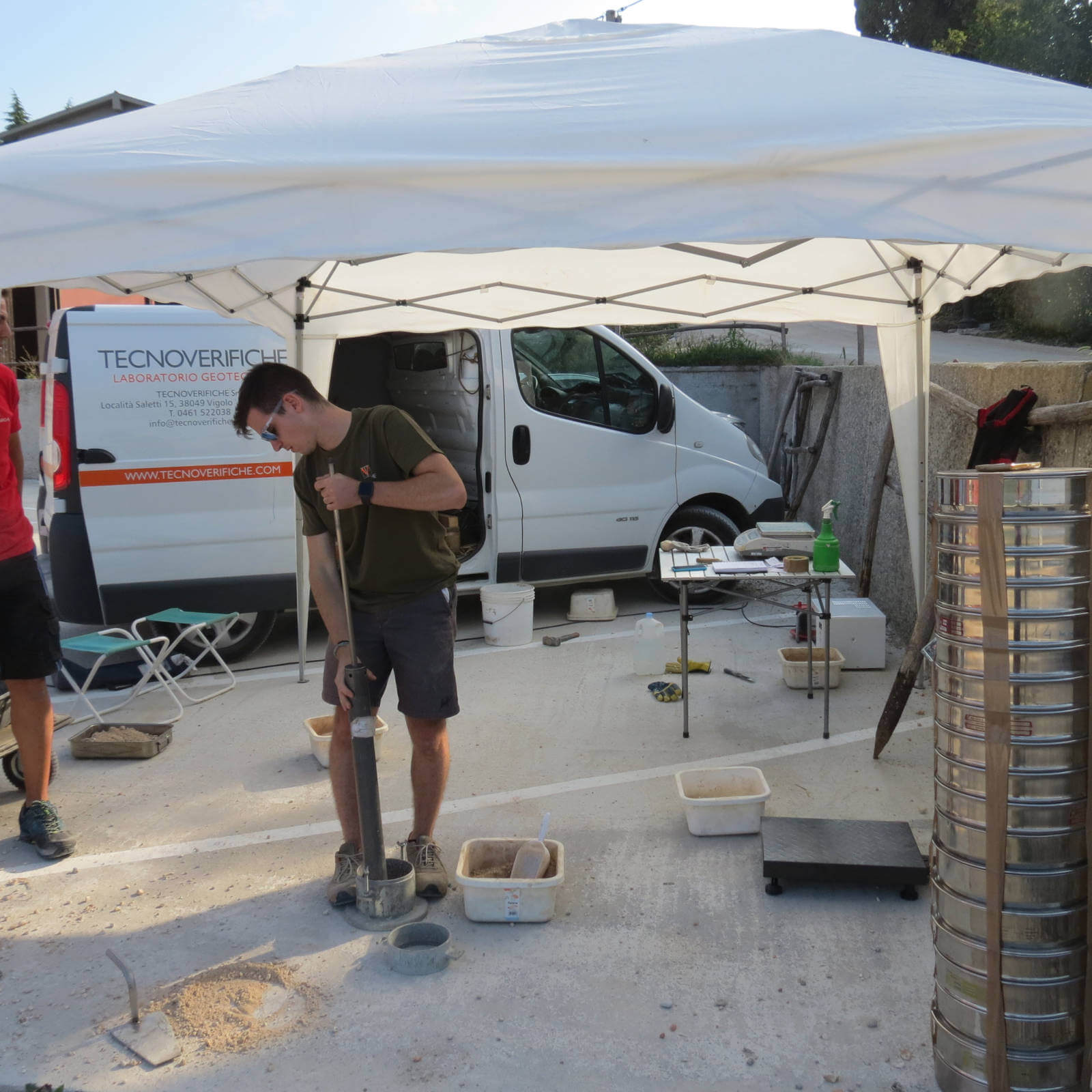
GREEN WAYS makes use of the collaboration of TECNOVERIFICHE SRL, a geotechnical laboratory accredited by the Ministry of Infrastructure CSLP according to Circular 7618-STC to carry out all the necessary tests required by the UNI 11531-1 and UNI 11531-2 regulations which indicate the criteria for the use of the earth materials and mixtures of unbound and bound aggregates in order to find the best solution for the treatment of soils supplied by our customers both nationally and internationally.
Because soils vary around the world and the engineering properties of soils are equally variable, the key to success in soil stabilization is preliminary soil analysis.
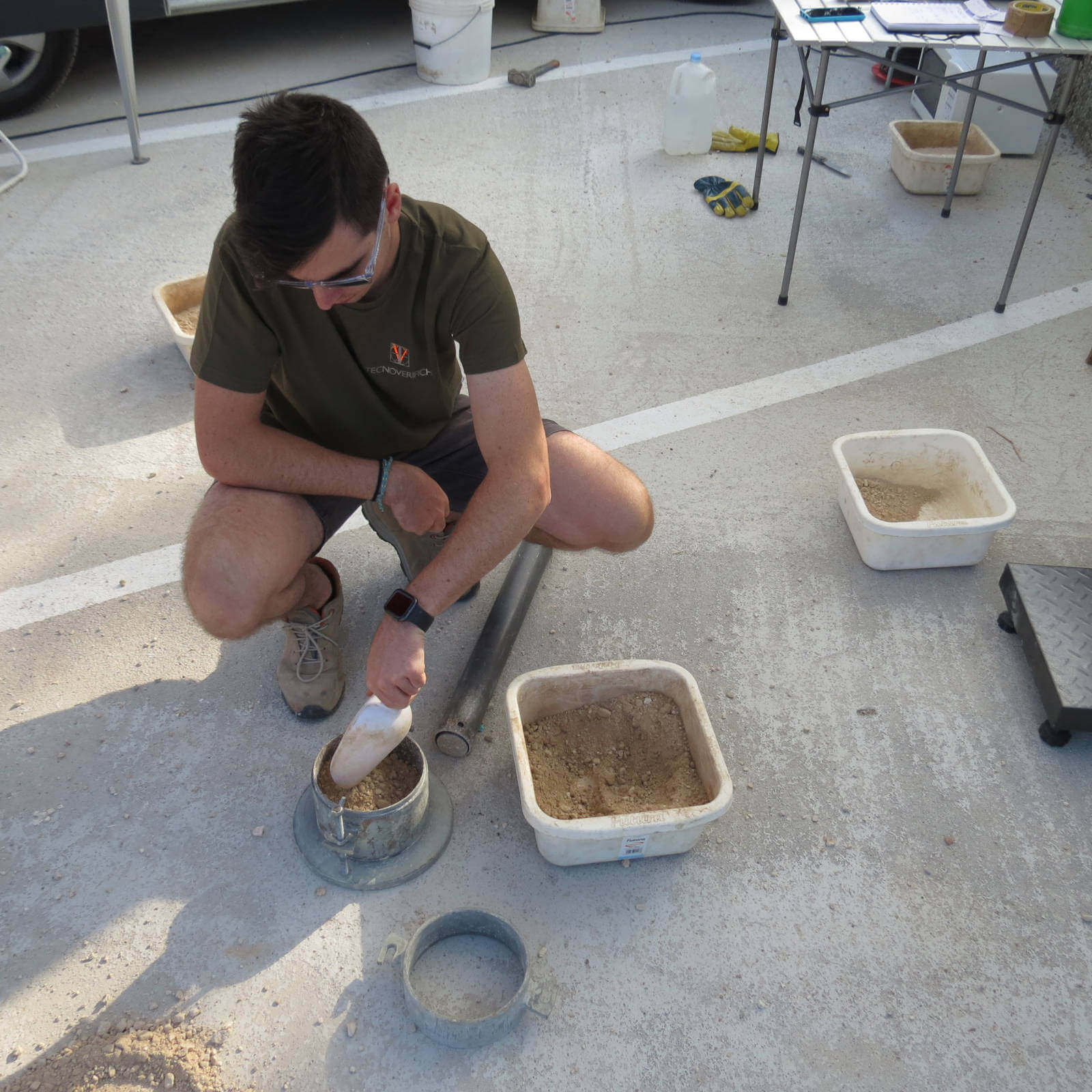
TECNOVERIFICHE is equipped with cutting-edge equipment necessary to carry out the tests required by law for soils and bound mixtures.
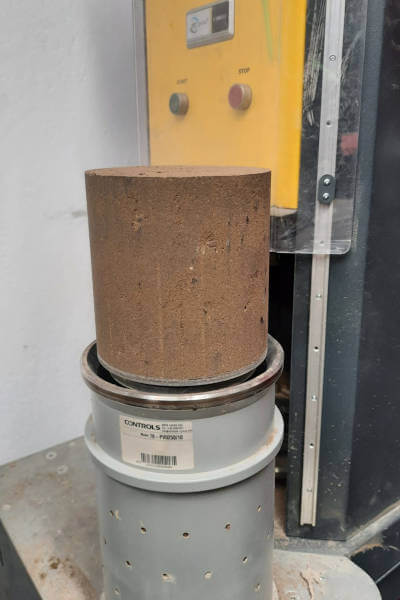
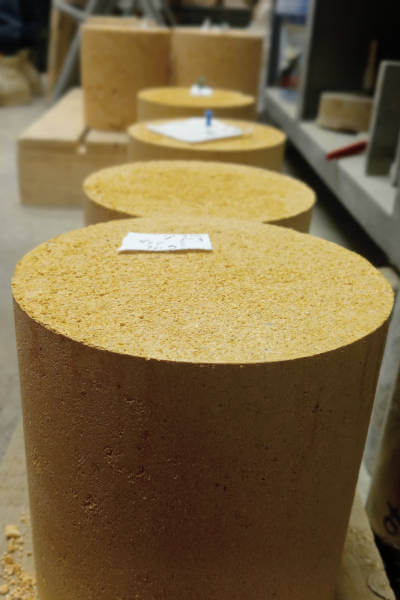
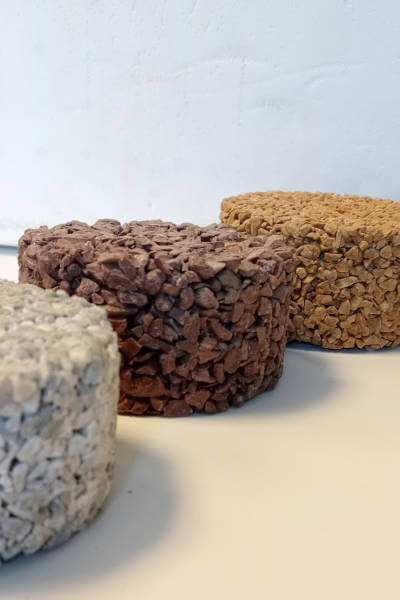
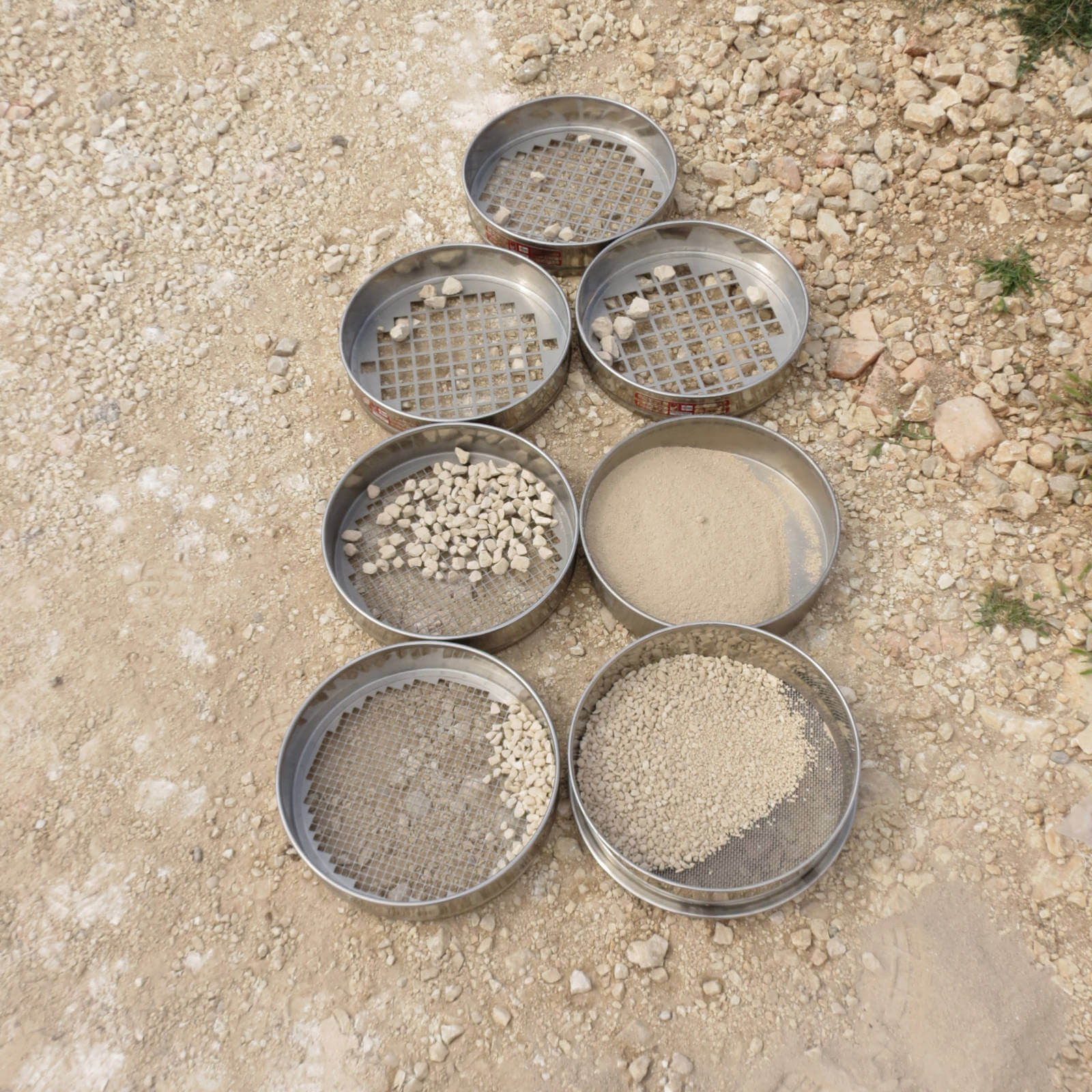
- Grain size analysis, UNI CEN ISO/TS 17892-4
- Soil classification, UNI 1153-1, USCS/AGI
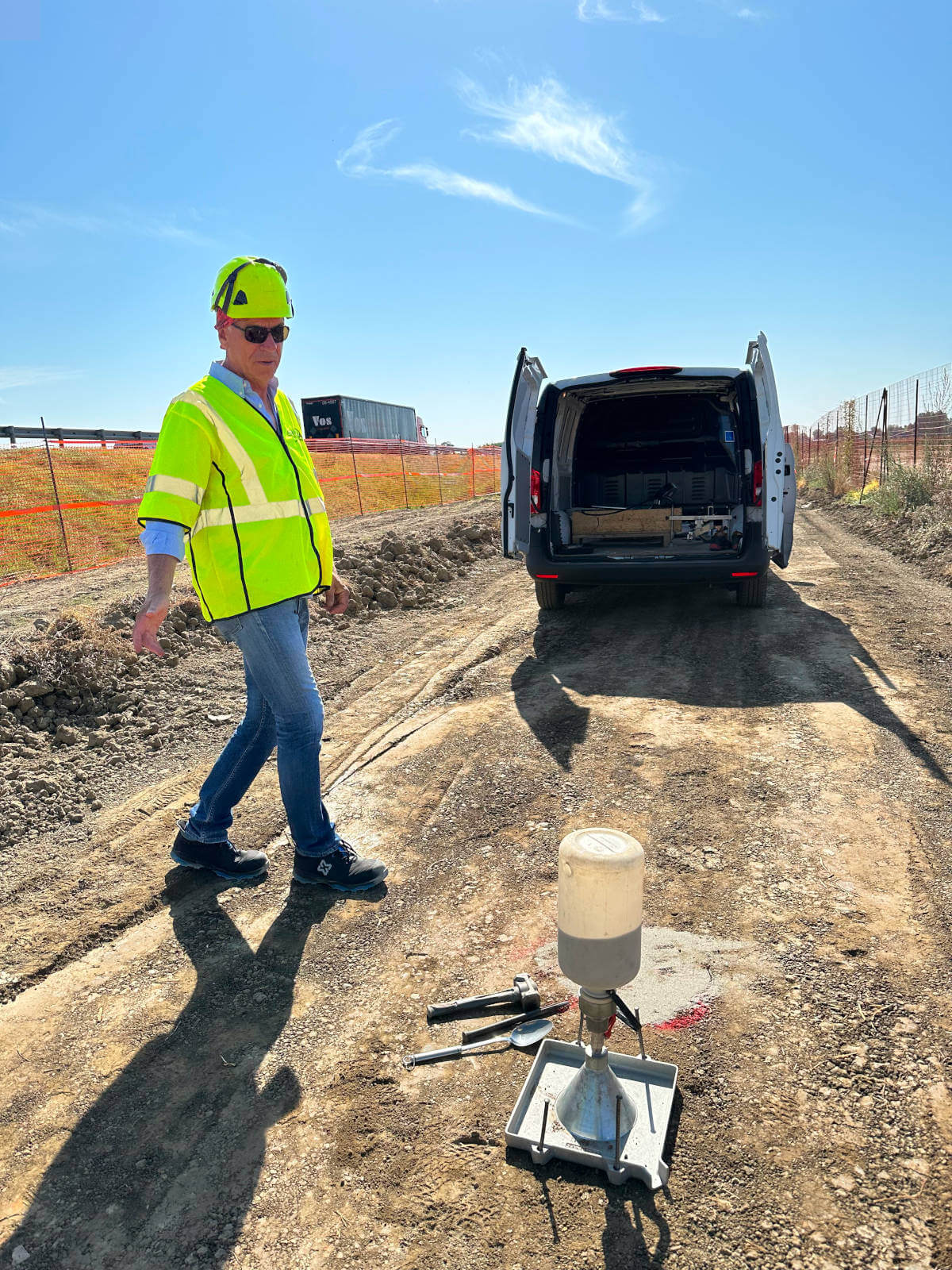
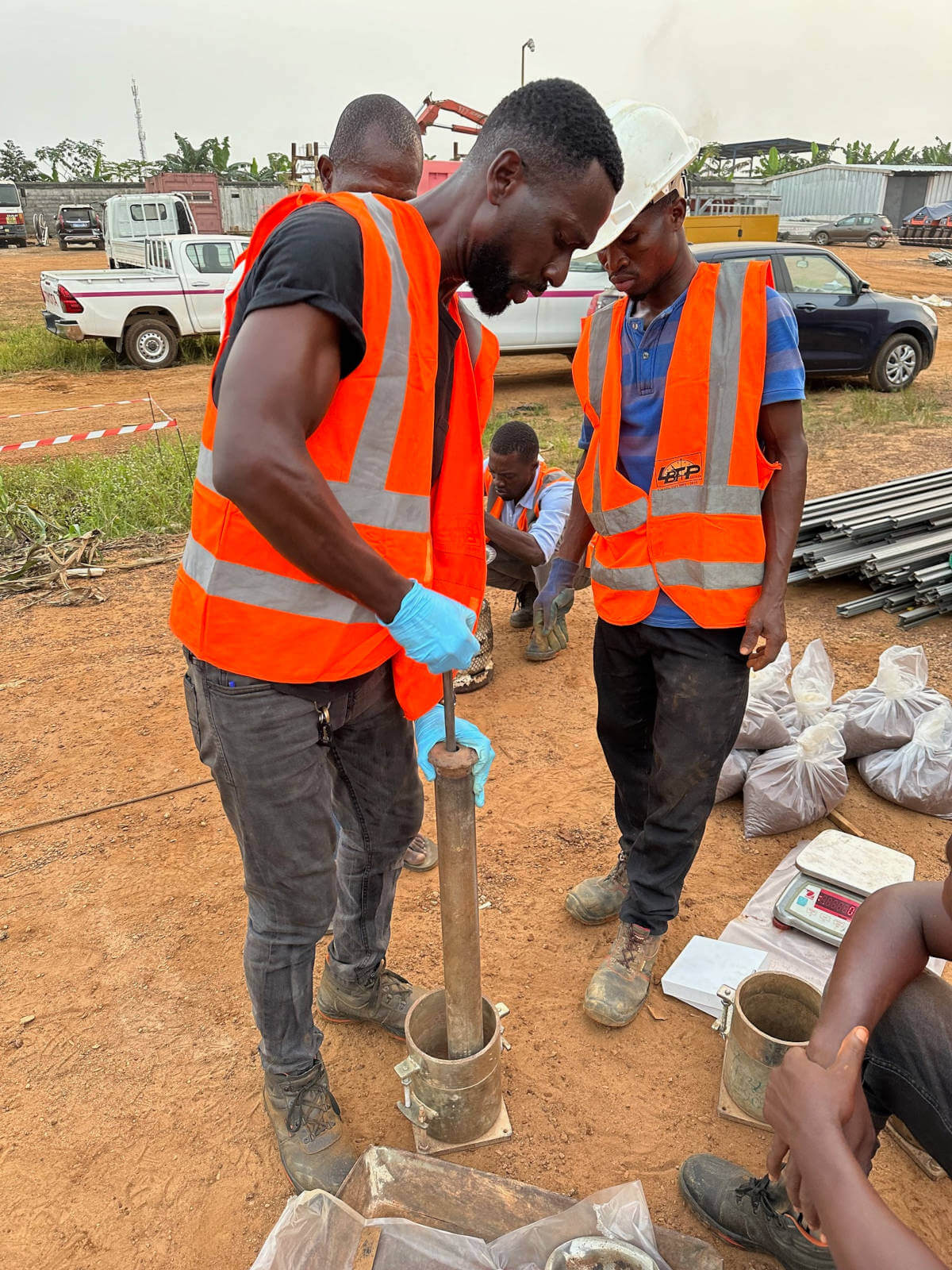
- Modified Proctor compaction test UNI EN 13286-2,
- Determination of the lift index “C.B.R. IPI” UNI EN 13286-47
- Determination of strength compression UNI EN13286/41 (unconfined)
- Resistance to fragmentation “Los Angeles“ UNI EN 1097-2
- Freeze/thaw resistance UNI EN 1367-1
- Permeability UNI CEN ISO/TS 17892-11
- The determination of the grain size and the Atterberg limits of the material allow the latter to be classified according to the 11531-1/11531-2 standards and to establish the main behaviors such as load-bearing quality, sensitivity to freeze/thaw, permeability and sensitivity to shrinkage/swelling for the finest and most sensitive soils.
- The next step consists in carrying out the Proctor compaction test which allows obtaining humidity ideal of the soil with which the maximum grade is obtained of densification during processing and compaction. Subsequently, a series of tests necessary for choosing the most appropriate stabilization method are carried out, i.e. the content of organic substances, CBR, humic substance content, acid-soluble sulphates and total sulfur content.
- The mixture study phase allows us to identify the most suitable type of stabilization for the soil under consideration. A series of samples are also made using a rotary press, both with natural soil and with treatedsoil (with different degrees of maturation, generally 24 hours, 7 days and 28 days). The samples made come then brought to failure by simple compression in order to verify the load-bearing capacity of the soil and the improvement that stabilization has brought compared to the native soil.
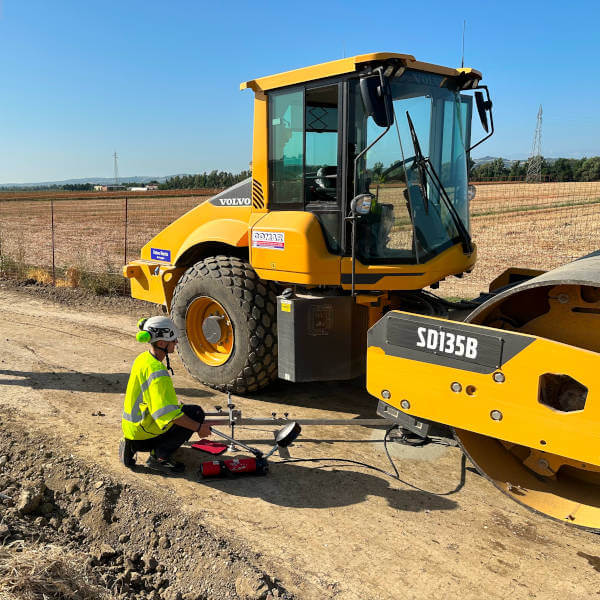
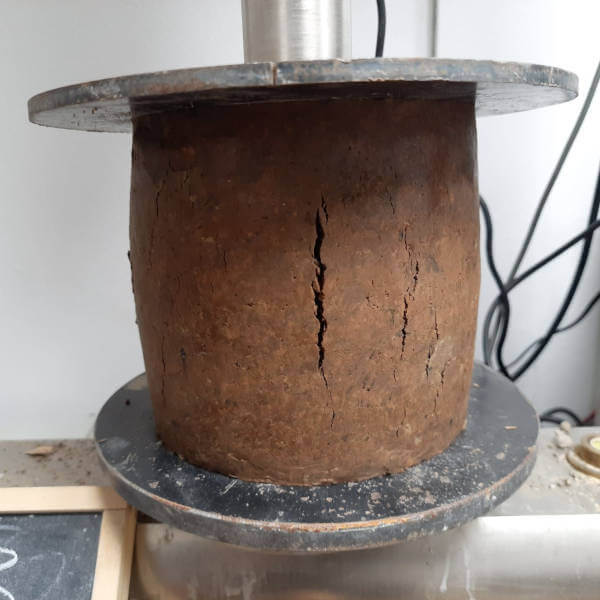
Thanks to these tests GREEN WAYS determines the best solution
for each client’s unique project.
To produce the best solutions on the market GREEN WAYS continuously develops, improves and perfects its technologies, managing to:
- Guarantee the best soil stabilization solution
- Determine the quantities of solution per m2
- Accurately predict material performance
- Confirm that the proposed solution meets all project specifications and requirements
- Provide credible, repeatable and quantifiable evidence of performance to support the certifications issued
Do you want to implement Green Ways® solutions in your projects?